
WeldGuard: Steel Welding Anti-Corrosion Technology for Premium Wedding Furniture
Elegant design gets a wedding chair or banquet table sold once. What keeps a wholesaler or rental company coming back is whether the piece still looks and performs the same way after fifty events. That comes down to the welding, more than most buyers realize.
In stainless steel wedding furniture, the weld points are where everything either holds up or falls apart over time. Lifespan, load strength, rust resistance — it mostly traces back to how the joints were made. That’s the reasoning behind WeldGuard, our welding and anti-corrosion process for high-end furniture production.
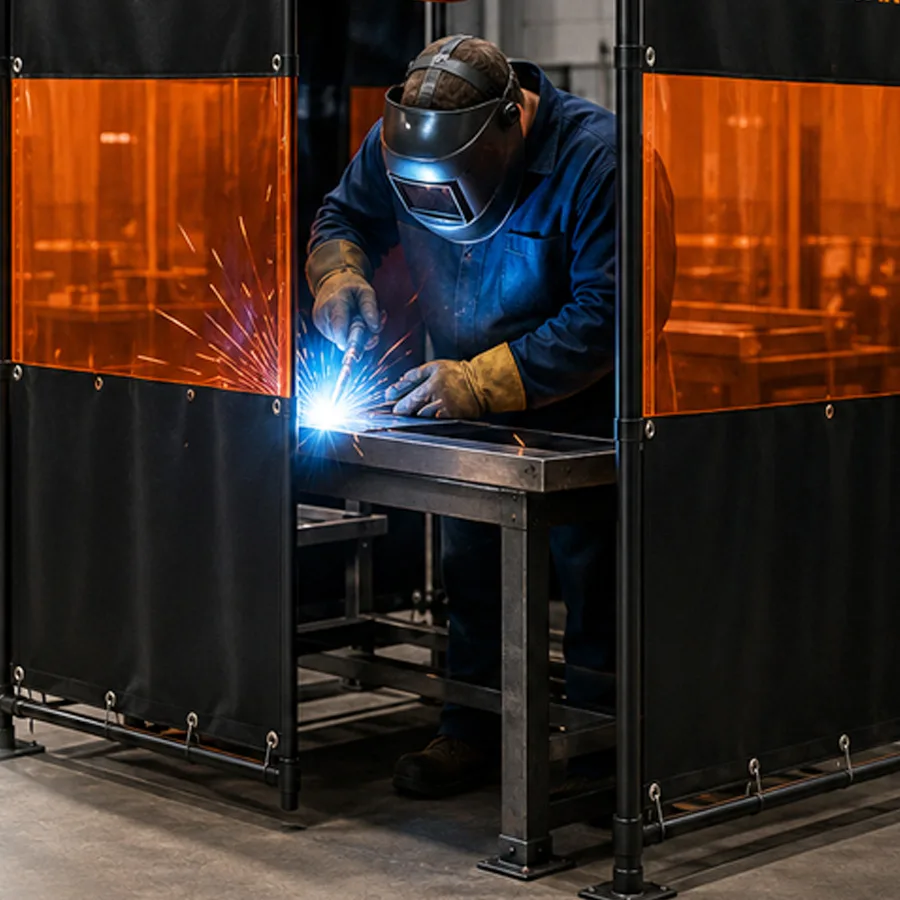
Why the Weld Points Take the Damage
Most buyers evaluate furniture by material thickness, finish color, or overall design. Welding quality rarely comes up in the conversation, even though the weld points are usually the first place a piece fails.
Think about what a joint actually goes through: stress from stacking and folding, vibration from transport, moisture from outdoor venues, temperature swings between storage and use, and this happening over and over for years. A weld that isn’t done properly won’t announce itself right away — it’ll show up later as a rust spot near a joint, a hairline crack, a wobble that wasn’t there before, or a patch where the finish looks slightly off. None of that is dramatic on its own, but it adds up fast for a rental company running the same pieces through dozens of events a year.
What Actually Goes Into WeldGuard
It’s not one step — more a sequence of things done right, in order.
Welding itself needs to be precise and controlled. A rushed or uneven weld weakens the joint even if it looks fine on the surface, so the actual welding technique matters more than most spec sheets suggest.
Heat is the next issue. Too much of it during welding and the stainless steel surface gets damaged in ways that quietly reduce corrosion resistance later. Controlling that heat keeps the material stable and the welds consistent from one batch to the next — which also happens to be one of the harder things to get right at scale.
After welding comes polishing. The joint gets worked over until the weld marks disappear and the surface reads as smooth and uniform, not patched.
Then passivation — a treatment that builds a protective oxide layer over the steel surface. This is really where most of the long-term corrosion resistance comes from, more than people assume.
Some pieces get an additional protective finish on top, like PVD coating, depending on the design and the finish requested.
(This is the spot to add real numbers if you have them — salt spray test results, hours, pass/fail thresholds. That kind of detail does more for buyer trust than anything else on this page.)
Why 304 Stainless Steel, Specifically
The welding process only goes as far as the material allows. 304 stainless steel is the grade used here, and the reasons are fairly practical rather than marketing points:
More chromium and nickel content than lower grades like 201, which means better resistance to humidity and oxidation over time. It also welds more predictably — less risk of an inconsistent joint. Structurally it holds up better to repeated assembly and disassembly, which matters a lot for rental use specifically. And finishes like mirror gold, silver, or black titanium hold their look longer on 304 than on cheaper alternatives.
Where This Actually Matters
For wholesalers and rental companies, the payoff isn’t abstract — it’s fewer repairs, fewer replacements, and fewer awkward conversations with a venue about a chair that rusted after three uses.
It matters most on the pieces that get moved constantly: wedding chairs, banquet tables, cake tables, flower stands, decorative frames, centerpieces, stage structures. These are exactly the items where a weak weld gets found out fastest, usually at the worst possible time.
Why Factory and Trading Under One Roof Helps
We handle production and trading in-house, which means the same team overseeing raw material sourcing is also handling welding inspection and final quality checks — not three different vendors passing the problem along.
Practically, that means tighter control over materials, stricter inspection at the welding stage, more consistent output across production runs, and OEM/ODM customization without the usual back-and-forth delays. For overseas buyers specifically, it also means fewer communication gaps and less risk sitting somewhere in the supply chain you can’t see.
Bottom Line
Design gets attention. Manufacturing quality is what determines whether that design still looks good in year three. WeldGuard is our answer to the welding side of that equation — stronger joints, better corrosion resistance, and a finish that holds up under actual commercial use.
If you want details on the welding process or certifications, or you’re ready for a quote — reach out on WhatsApp or online chat. We usually respond within 24 hours.
For buyers seeking premium stainless steel wedding furniture, choosing the right production process and manufacturing partner creates stronger long-term advantages.