For practitioners engaged in overseas wedding furniture trade, the problem of cargo damage during cross-border transportation is a “persistent trouble” that affects business development. Wedding furniture is mostly customized, with exquisite designs and special materials. Once there is a collision, wear, or even structural damage during cross-border transportation, you not only have to bear high replenishment costs and logistics fees, but also delay the customer’s wedding preparation progress, leading to reduced customer satisfaction and further affecting the brand’s reputation and long-term cooperation opportunities in overseas markets. So, how to effectively solve the damage problem of wedding furniture in cross-border transportation? Our specially developed professional packaging solution has achieved a cargo integrity rate of over 98%, building a “protective barrier” for your cross-border business.
I. Core Pain Points of Wedding Furniture Vulnerability in Cross-Border Transportation
To solve the damage problem, we first need to identify the multiple risks faced by wedding furniture in cross-border transportation scenarios. From the transportation process, wedding furniture goes through multiple links such as factory delivery, domestic transshipment, port loading and unloading, international sea/air transportation, destination country customs clearance, and last-mile delivery, with potential “risks” hidden in each step:
- Risk of rough handling in loading and unloading:At nodes such as ports and warehouses, goods often need to be moved and stacked multiple times. If operators do not work in accordance with regulations, furniture may be thrown, squeezed, or dropped. Especially protruding parts like dining chair armrests and dining table corners are most prone to paint peeling and structural cracking due to collisions.
- Environmental impact of long-distance transportation:International sea freight usually takes 15-45 days, and high temperature and humidity may occur inside containers. Wooden furniture is prone to moisture and mildew, metal parts are prone to rust, while fabric-based wedding sofas and upholstered chairs may also have problems such as fabric deformation and odor due to humidity changes.
- Bumps and vibrations during transportation:Whether it is road bumps in road transportation or sea waves in sea transportation, long-term vibrations will loosen furniture connectors. Without buffer design in packaging, it may even cause the furniture structure to fall apart, completely losing its usability.
These pain points are not isolated cases. According to industry data, the damage rate of wedding furniture without professional packaging during cross-border transportation is generally 10%-15%, and the damage rate of some complex-shaped furniture is even higher, bringing incalculable economic losses and brand damage to enterprises.
II. Packaging Solution with 98% Integrity Rate: Three-Layer Protection to Accurately Solve the Damage Problem
Our packaging solution focuses on “targeted design and full-process protection”. From material selection to process details, it is developed around the characteristics of wedding furniture and cross-border transportation risks, building a three-layer protection system of “basic protection + buffer reinforcement + moisture and damage resistance”.
(I) Basic Protection: Customized Outer Cartons to Build the “First Line of Defense”
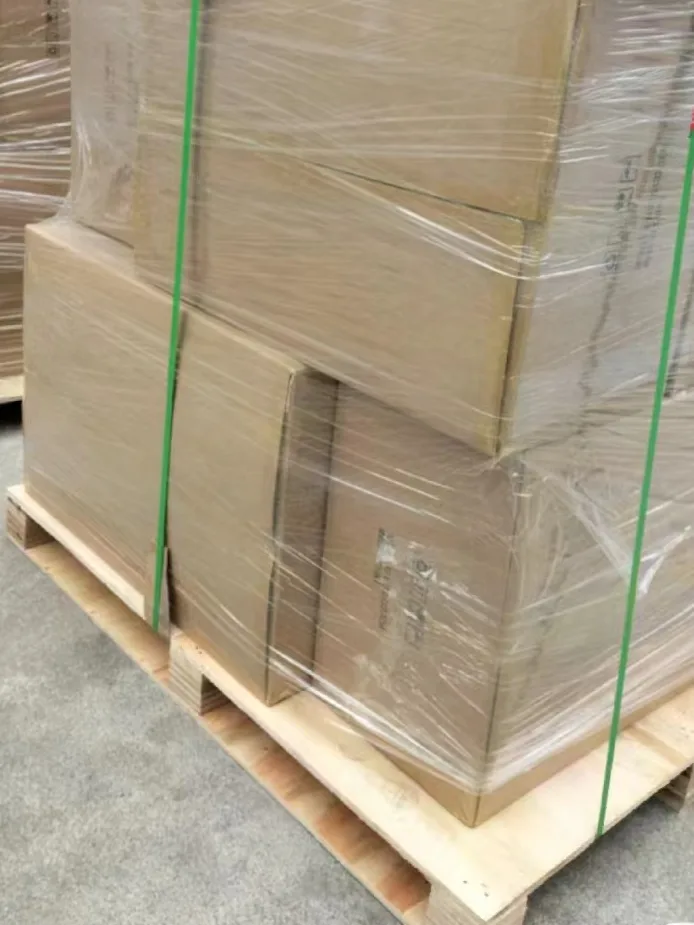
The outer carton is the primary barrier for furniture to resist external impact. We abandon traditional universal cartons and adopt five-layer reinforced corrugated cartons + customized size design:
- In terms of materials, we select high-hardness corrugated paper with a burst strength of ≥2000kPa and edge compression strength of ≥8000N/m. Its anti-extrusion capacity is 2.5 times that of ordinary cartons, which can effectively withstand the stacking pressure during transportation, avoiding outer carton deformation and internal furniture extrusion;
- In terms of size, we reserve 3-5cm of buffer space based on the accurate length, width, and height data of each piece of wedding furniture. This not only prevents the furniture from shaking inside the carton but also does not waste packaging volume (reducing logistics costs). For example, for round wedding dining tables, we customize circular inner cardboards to fix the tabletop position and prevent rotational collisions during transportation.
At the same time, clear labels such as “Fragile”, “This Side Up”, and “No Stacking” are pasted on the outer carton surface to remind operators at all links to work standardizedly, reducing the risk of rough handling from the source.
(II) Buffer Reinforcement: Targeted Protection for Different Parts to Resolve Collisions and Vibrations
According to the characteristics of different parts of wedding furniture, we use differentiated buffer materials to achieve “focused protection on vulnerable parts”:
- Protruding parts: Double wrapping with high-density EPE foam + bubble film: For collision-prone parts such as dining chair legs, dining table corners, and cabinet door handles, we first wrap them with 3cm-thick high-density EPE foam (with a rebound rate of 90%, which can absorb more than 80% of the impact force), then wrap them with 2 layers of thickened bubble film (with a bubble diameter of 1cm and strong puncture resistance) to form a “soft protective layer”. Even if slightly impacted, the impact force can be offset by the deformation of the buffer material;
- Structural reinforcement: Assisted by wooden frames + foam corner protectors: For large wedding furniture (such as 6-person wedding long tables and combined wine cabinets), we install customized wooden frames inside the carton. The space between the frame and the furniture is filled with EVA foam corner protectors, which not only fix the furniture position but also disperse external extrusion pressure, preventing structural deformation of the furniture due to uneven force;
- Connector protection: Independent packaging + sealed bag storage: Small connectors such as screws and nuts of the furniture are separately placed in sealed bags and pasted inside the main body of the furniture to avoid loss during transportation. At the same time, detachable furniture parts (such as dining table legs) are bound to the main body with special fixing straps to prevent paint wear caused by shaking and friction.
(III) Moisture and Damage Resistance: Coping with Harsh Transportation Environments to Protect Furniture Quality
To address the high temperature and humidity problems in cross-border transportation, we add double moisture-proof design to the packaging:
- First layer: Cover the furniture surface with a waterproof PE film with an IP65 sealing level, which can effectively isolate external moisture intrusion. It is especially suitable for fabric and leather wedding furniture to prevent fabric mildew and moisture;
- Second layer: Place 2-3 packs of calcium chloride desiccants (each with a moisture absorption capacity of ≥500g) inside the carton, which can absorb moisture in the air inside the carton and maintain the relative humidity inside the carton at 40%-60% (the optimal humidity range for furniture storage), avoiding moisture expansion of wooden furniture and rusting of metal parts.
In addition, for wedding furniture with glass parts (such as glass tabletops and glass wine cabinet doors), we paste explosion-proof film on the glass surface. Even if the glass is accidentally broken, it will be adsorbed by the film, avoiding debris scattering and damaging other parts, while reducing subsequent cleaning and safety risks.
III. Solution Implementation: Full-Process Guarantee of Integrity Rate from Testing to After-Sales
Our packaging solution is not “theoretical” but has undergone thousands of cross-border transportation tests and practical verifications:
- Simulation test link: During the solution development stage, we built a cross-border transportation simulation laboratory. The packaged furniture was subjected to “drop tests” (simulating loading and unloading drops), “squeeze tests” (simulating stacking pressure), and “temperature-humidity cycle tests” (simulating sea transportation environments). Through more than 300 test optimizations, the optimal packaging parameters were finally determined;
- Practical verification results: Up to now, this solution has served more than 100 overseas wedding furniture customers, covering more than 20 countries in Europe, America, Southeast Asia, and the Middle East. A total of more than 5,000 pieces of furniture have been transported, and the actual cargo integrity rate has remained stable at 98.3%, far exceeding the industry average;
- After-sales guarantee mechanism: If cargo damage occurs due to packaging issues (logistics certificates and damage photos are required), we will start the replenishment process within 48 hours, bearing the production cost of replenishment and secondary logistics fees to minimize the customer’s losses.
There is no need to worry about wedding furniture damage in cross-border transportation anymore. Choose our professional packaging solution to ensure that every piece of furniture arrives at the customer’s hands intact, helping you win customer trust in the overseas wedding furniture market and achieve steady business growth.